Are You Really Surrounded by Only Christians?
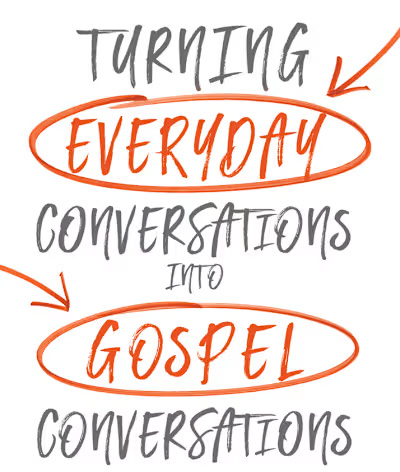
Have you ever felt like you're living in a bubble, surrounded only by people who share your Christian faith? It's a common sentiment, and one we address head-on in our latest podcast episode, 223: Reasons You Don’t Share The Gospel – You Don’t Really Know Any Non-Christians. In this blog post, we'll delve deeper into that topic, challenging the assumption that you don't know any non-Christians and exploring practical ways to identify and connect with people outside of your immediate religious circle. We'll uncover opportunities for meaningful relationships and even gospel-sharing, all while striving to emulate Jesus' own balanced approach to relationships. This isn't about abandoning your faith; it's about living it out in a way that reflects Christ's love for all people.
Jesus' Example: Balancing Relationships with Believers and 'Sinners'
One of the most compelling aspects of Jesus' ministry was his intentionality in building relationships with a diverse group of people. While he certainly invested deeply in his disciples, spending countless hours teaching and mentoring them, he also made a point of engaging with those on the margins of society – the tax collectors, the prostitutes, the lepers, and others considered "sinners" by the religious elite of his day. Think of Zacchaeus, the tax collector who Jesus invited to dine with him (Luke 19:1-10). Or the woman caught in adultery, whom Jesus defended and challenged to "go and sin no more" (John 8:1-11). These weren't just fleeting encounters; they were meaningful interactions that demonstrated God's love and grace to those who felt excluded and judged.
The Pharisees and scribes often criticized Jesus for associating with such people, questioning why he would eat with "tax collectors and sinners" (Mark 2:16). Jesus' response was profound: "It is not the healthy who need a doctor, but the sick. I have not come to call the righteous, but sinners" (Mark 2:17). This statement encapsulates the heart of his mission – to seek and save the lost. It also highlights the importance of building bridges with those who are different from us, those who may not share our beliefs or values, those who may be struggling with sin or hardship.
It's easy to fall into the trap of only associating with fellow Christians, creating a comfortable echo chamber where our beliefs are constantly reinforced. While there is certainly value in Christian community – in encouragement, accountability, and shared worship – we must also be intentional about reaching beyond our comfort zones to engage with those who need to hear the good news of Jesus Christ. As Pastor Adam and Steph mentioned in the podcast, Jesus didn't only hang out with other believers, and neither should we if we are looking to follow in his footsteps.
Why You Likely Know More Non-Christians Than You Think
Now, let's address the core assumption we're challenging: that you don't know any non-Christians. While it may feel that way sometimes, especially if you primarily spend time in Christian circles, the reality is that you likely interact with non-Christians on a daily basis without even realizing it. Think about your coworkers, your neighbors, the parents of your children's friends, the people you encounter at the gym or grocery store, or your extended family. Are you absolutely certain that every single one of them is a committed Christian? Chances are, there are individuals in your life who hold different beliefs, values, or worldviews than you do.
Sometimes, we make assumptions about people based on their outward appearance or perceived social status. We might assume that someone who attends a particular church or lives in a certain neighborhood is a Christian, or that someone who doesn't talk openly about their faith is not. But these assumptions can be misleading. People's beliefs are often more complex and nuanced than we realize, and it's important to avoid making generalizations. Remember the saying, "Don't judge a book by its cover." It applies here as well.
Furthermore, even if someone was raised in a Christian home or once identified as a Christian, that doesn't necessarily mean they currently hold those beliefs. People's faith journeys can be long and winding, and it's important to respect their individual experiences. Some may have drifted away from their faith, while others may have actively rejected it. Regardless of their past or present beliefs, every person deserves to be treated with dignity and respect.
Identifying Potential Non-Christian Connections in Your Life
So, how can you identify potential non-Christian connections in your life? Start by taking a close look at your existing relationships. Who do you interact with regularly, and what do you know about their beliefs and values? Avoid making assumptions based on superficial factors, and instead, try to engage in deeper conversations that allow you to learn more about their perspectives. Ask open-ended questions like, "What do you believe is the meaning of life?" or "What are your thoughts on spirituality?" Listen attentively to their responses, and resist the urge to immediately interject with your own beliefs. The goal is to understand their worldview, not to convert them on the spot.
Another way to identify potential non-Christian connections is to expand your social circles. Consider joining a club or organization that aligns with your interests, whether it's a book club, a sports team, or a volunteer group. These activities provide opportunities to meet people from diverse backgrounds and build relationships based on shared interests. You can also look for ways to get involved in your local community, such as volunteering at a food bank or participating in a neighborhood cleanup. These activities not only benefit your community, but also create opportunities to connect with people who may not share your faith.
It's also important to be open to building relationships with people who are different from you. Don't limit yourself to only interacting with people who share your race, ethnicity, or socioeconomic status. Embrace diversity and seek out opportunities to learn from others who have different life experiences. Remember, Jesus ministered to people from all walks of life, and we should strive to do the same.
The Value of Forming Relationships with People of Different Beliefs
Forming relationships with people of different beliefs offers numerous benefits, both for you and for them. First and foremost, it allows you to break down stereotypes and challenge your own preconceived notions. By engaging with people who hold different worldviews, you can gain a deeper understanding of their perspectives and appreciate the complexity of their beliefs. This can lead to greater empathy, tolerance, and respect for others, even if you don't agree with them.
Secondly, building relationships with non-Christians provides opportunities for personal growth and spiritual development. When you're forced to articulate your faith in a way that is understandable to someone who doesn't share your beliefs, you gain a clearer understanding of what you believe and why. You also learn how to communicate your faith more effectively and persuasively. Furthermore, interacting with people who have different perspectives can challenge you to examine your own beliefs more critically and to consider alternative viewpoints.
Finally, and perhaps most importantly, forming relationships with non-Christians creates opportunities to share the gospel and impact their lives for eternity. By demonstrating genuine love, care, and concern for them, you can earn their trust and create a safe space for them to explore their faith. You may not always have the opportunity to explicitly share the gospel, but your actions and words can speak volumes about the love of Christ. Remember, people are more likely to be receptive to the gospel when they see it lived out in the lives of those who claim to follow Jesus.
Opportunities for Meaningful Relationships and Gospel Sharing
So, where do you find these opportunities for meaningful relationships and gospel sharing? They're often right in front of you, hidden in plain sight. Start with your existing relationships. Make an effort to connect with your coworkers, neighbors, and acquaintances on a deeper level. Invite them over for dinner, offer to help them with a task, or simply engage in a friendly conversation. Show genuine interest in their lives, and listen attentively to their concerns. Over time, these small acts of kindness can build trust and create opportunities for deeper conversations about faith.
Look for opportunities to serve others in your community. Volunteer at a local charity, participate in a community cleanup, or offer to help an elderly neighbor with their yard work. These acts of service not only benefit your community, but also create opportunities to connect with people who may not share your faith. As you work alongside them, you can build relationships based on shared goals and values. You may also have the opportunity to share your faith in a natural and authentic way.
Don't be afraid to invite non-Christian friends to church or other Christian events. However, be mindful of their comfort level and avoid putting pressure on them to participate. Let them know that they are welcome to come and observe, but that they are not obligated to do anything that makes them uncomfortable. If they express interest in learning more about Christianity, offer to answer their questions or recommend resources that they can explore on their own. The key is to be invitational and respectful, rather than pushy or judgmental.
Practical Steps to Connect with People Outside Your Religious Circle
Here are some practical steps you can take to connect with people outside your religious circle:
- Pray for opportunities: Ask God to open doors for you to connect with non-Christians and to give you the wisdom and courage to share your faith.
- Be intentional: Make a conscious effort to reach out to people who are different from you and to build relationships with them.
- Be a good listener: Pay attention to what people are saying and show genuine interest in their lives.
- Be respectful: Treat everyone with dignity and respect, regardless of their beliefs or values.
- Be authentic: Be yourself and let your actions speak louder than your words.
- Be patient: Building relationships takes time, so don't get discouraged if you don't see immediate results.
- Be prepared: Be ready to answer questions about your faith and to share the gospel in a clear and concise way.
- Be dependent on God: Remember that it is God who changes hearts, not you. Trust in him to work in the lives of those you are trying to reach.
Remember that building relationships with non-Christians is not about compromising your faith or abandoning your values. It's about demonstrating the love of Christ to a world that desperately needs it. By being intentional about building bridges with those who are different from us, we can create opportunities to share the gospel and impact their lives for eternity.
Conclusion: Embracing Opportunities to Share Your Faith
Challenging the assumption that you don't know any non-Christians is the first step toward fulfilling the Great Commission and sharing the love of Christ with the world. As we discussed in this blog post, and in episode 223: Reasons You Don’t Share The Gospel – You Don’t Really Know Any Non-Christians of our podcast, Jesus modeled a balanced approach to relationships, investing in both believers and those who were far from God. By following his example, we can break down stereotypes, foster empathy, and create opportunities for meaningful connections.
Take the practical steps we've outlined, pray for guidance, and be open to the opportunities that God presents. Remember, it's not about forcing your beliefs on others, but about demonstrating the love of Christ through your actions and words. As you build authentic relationships with people outside your religious circle, you may be surprised at the impact you can have. Embrace the challenge, and trust that God will use you to shine his light in a dark world.
The Real Reason You're Not Sharing the Gospel: Apathy